In industries where safety is critical, choosing the right electrical components can make all the difference. One such essential component is the limit switch, widely used in automation and safety systems. But how do these devices perform in extreme and hazardous conditions? In this blog, we’ll explore how limit switches work in hazardous environments, their importance, and why choosing a reliable manufacturer like Navago is crucial.
What is a Limit Switch?
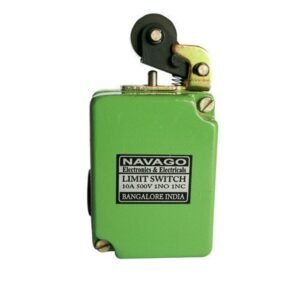
A limit switch is an electromechanical device used to detect the presence or absence of an object. It operates by physical contact and is commonly used in industrial automation, machinery, and safety systems.
🔍 High-Volume Keywords:
- limit switch working principle
- industrial limit switch
- limit switch uses
- what is limit switch
These switches are widely used to control machine movement, ensuring operations stay within safe limits.
What Are Hazardous Environments?
Hazardous environments are areas where there is a high risk of explosion, fire, or equipment failure due to the presence of:
- Flammable gases
- Combustible dust
- High moisture or extreme temperatures
- Corrosive chemicals
Industries such as oil & gas, mining, chemical processing, and manufacturing often operate under such conditions. This is where explosion proof limit switches and hazardous area limit switches come into play.
🔍 High-Volume Keywords:
- hazardous area electrical equipment
- explosion proof limit switch
- limit switch for industrial safety
How Limit Switches Work in Hazardous Environments
The basic limit switch working principle remains the same, but their design and construction are enhanced for safety.
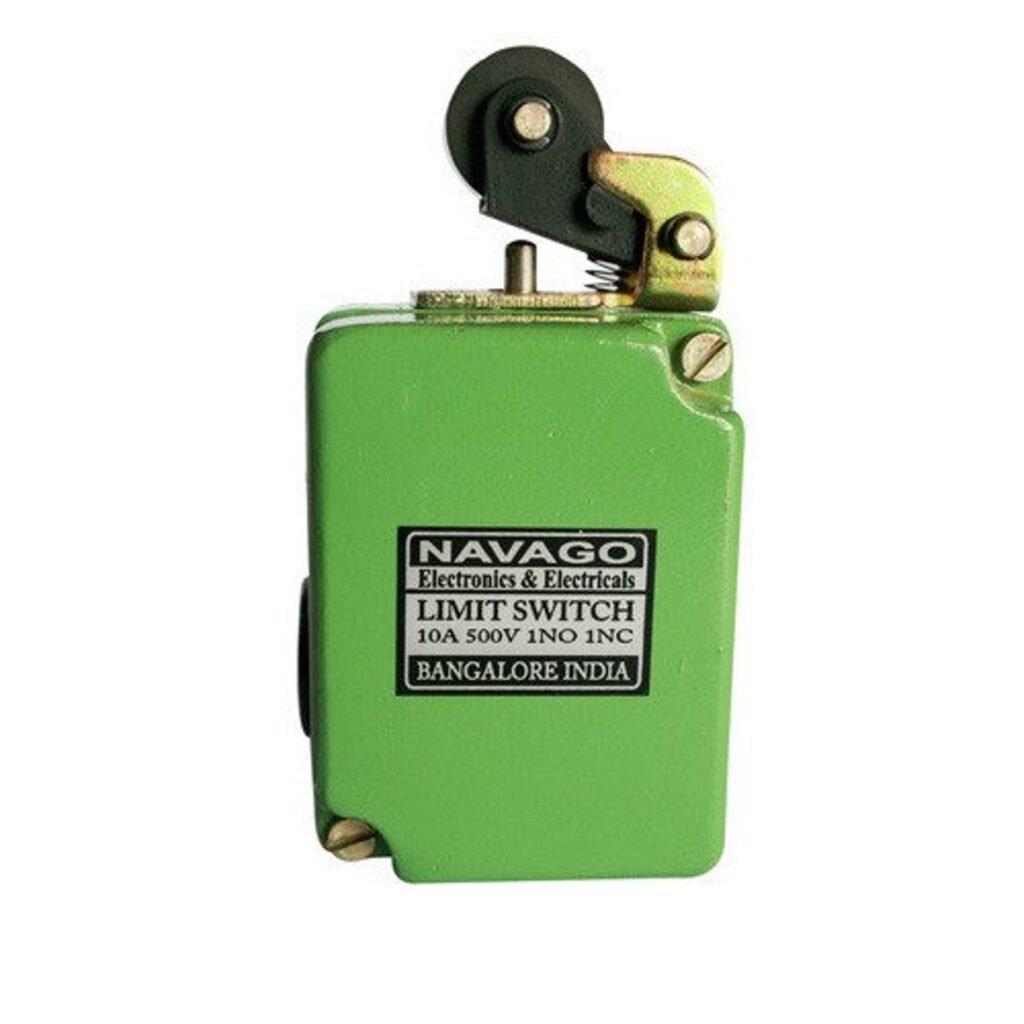
1. Sealed and Rugged Enclosures
Limit switches used in hazardous environments come with IP-rated enclosures (like IP65, IP67). These prevent dust, moisture, and chemicals from entering the switch.
- Ensures durability
- Prevents internal sparks
- Enhances operational safety
2. Explosion-Proof Design
One of the most important features is the explosion-proof housing. These switches are designed to contain any internal spark or explosion and prevent it from spreading outside.
- Thick metal casing
- Flameproof joints
- Certified for hazardous zones
3. Mechanical Actuation
Unlike proximity sensors, mechanical limit switches operate through physical contact. This reduces the risk of electrical interference and ensures reliable operation even in tough conditions.
4. Reliable Switching Mechanism
Hazardous area limit switches use high-quality contacts that ensure:
- Accurate switching
- Long life cycle
- Minimal failure risk
🔍 High-Volume Keywords:
- limit switch working in industrial automation
- mechanical limit switch vs proximity sensor
- heavy duty limit switch
Types of Limit Switches Used in Hazardous Areas
Different applications require different types of switches. Some commonly used ones include:
🔧 Heavy Duty Limit Switch
Designed for rugged environments with high mechanical strength.
🔧 Explosion Proof Limit Switch
Used in oil refineries, gas plants, and chemical industries.
🔧 Roller Lever Limit Switch
Ideal for conveyor systems and automated machinery.
🔧 Plunger Type Limit Switch
Used where precise positioning is required.
🔍 High-Volume Keywords:
- types of limit switches
- industrial limit switch types
- heavy duty limit switch price
Applications of Limit Switches in Hazardous Environments
Limit switches play a critical role in maintaining safety and efficiency.
⚙️ Oil & Gas Industry
Used in drilling rigs and pipelines to monitor movement and prevent over-travel.
⚙️ Chemical Plants
Ensure safe operation of valves, mixers, and reactors.
⚙️ Mining Industry
Used in conveyors and heavy machinery operating in dusty and explosive conditions.
⚙️ Manufacturing Units
Help in automation systems where precision and safety are required.
🔍 High-Volume Keywords:
- limit switch applications in industry
- industrial automation limit switch
- limit switch in conveyor system
Key Features to Look for in Hazardous Area Limit Switches
When selecting a limit switch for hazardous environments, consider the following:
- Explosion-proof certification (ATEX, IECEx)
- High IP rating (IP65/IP67/IP68)
- Corrosion-resistant materials
- Wide temperature tolerance
- Long electrical and mechanical life
Choosing the right features ensures safety, reliability, and long-term performance.
Why Quality Matters in Hazardous Environments
Using low-quality switches in hazardous environments can lead to:
- Equipment failure
- Fire hazards
- Production downtime
- Safety risks for workers
This is why industries trust reliable manufacturers like Navago, known for delivering high-quality limit switches designed for extreme conditions.
Why Choose Navago as the Best Limit Switch Manufacturer?
When it comes to safety and performance, choosing the right manufacturer is crucial. Navago stands out as a best limit switch manufacturer for several reasons:
✅ Superior Quality Products
Navago offers industrial limit switches that meet international safety standards.
✅ Designed for Harsh Conditions
Their switches are built for hazardous environments, ensuring durability and reliability.
✅ Wide Product Range
From heavy duty limit switches to explosion proof limit switches, Navago provides solutions for every industry.
✅ Trusted by Industries
Navago has built a reputation for delivering high-performance components for automation and safety.
🔍 High-Volume Keywords:
- best limit switch manufacturer in India
- limit switch suppliers
- industrial limit switch manufacturers
Conclusion
Understanding how limit switches work in hazardous environments is essential for ensuring safety and operational efficiency in industries. These switches are specially designed with rugged enclosures, explosion-proof features, and reliable mechanisms to withstand extreme conditions.
By investing in high-quality products from trusted manufacturers like Navago, businesses can significantly reduce risks and improve performance.
If you’re looking for durable, reliable, and high-performance limit switches, make sure you choose the best—because in hazardous environments, safety is not optional, it’s essential.